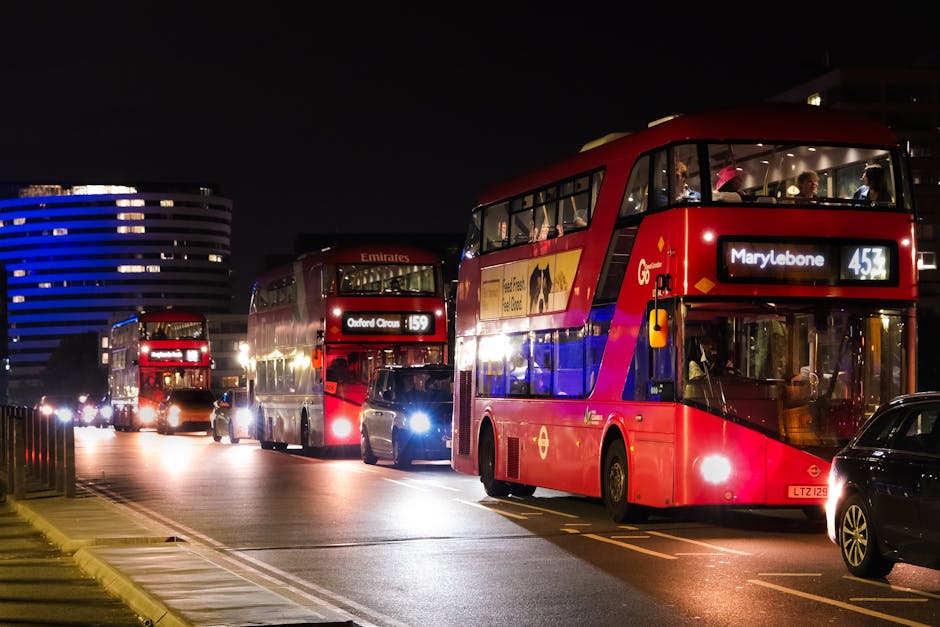
Narrow-street moves in W1: furniture access solutions
Posted on 10/06/2026

If you are moving furniture in W1, you already know the problem is rarely the sofa itself. It is the staircase, the tight turning circle, the parked cars, the awkward doorway, the lift that is just a bit too small. Narrow-street moves in W1: furniture access solutions are all about making those real-world bottlenecks manageable before they become expensive delays. In Marylebone and nearby W1 streets, good access planning can be the difference between a calm move and a day full of swearing under your breath at a wardrobe that will not angle through the hall.
This guide walks through the practical side of furniture access in narrow streets: what to check, how movers work around constraints, what tools help, and where people usually get caught out. It is written for anyone moving a flat, house, office, or single bulky item where space is tight and timing matters.
- Why narrow-street furniture access matters
- How access solutions actually work
- Key benefits and practical advantages
- Who this is for and when it makes sense
- Step-by-step guidance
- Expert tips for better results
- Common mistakes to avoid
- Tools, resources and recommendations
- Law, compliance, standards, or best practice
- Options, methods, or comparison table
- Case study or real-world example
- Practical checklist
- Conclusion
- Frequently asked questions
Why Narrow-street moves in W1: furniture access solutions Matters
W1 has a very specific moving personality. Streets can be narrow, parking is often limited, building entrances may sit on busy pavements, and many properties are period conversions with stairs that do not love modern furniture. That means the usual "just get it in the van and deliver it" approach can fall apart quickly.
Furniture access is not only about physical space. It also affects timing, labour, vehicle choice, protection for walls and banisters, neighbour relations, and even whether your move can happen in one trip or needs staging. A 10-minute access problem can become an hour of repositioning if nobody planned for it. To be fair, it is one of those things people only fully appreciate once they are standing outside with a king-size mattress and nowhere obvious to put it.
In a place like Marylebone, this matters even more because streets around busy routes, station areas, and residential terraces can create pinch points. If you are relocating near central streets, you may find the access challenge is as important as the packing challenge. That is why many people read local guidance such as the Baker Street moving guide for streets and access before they book a date.
Expert summary: when furniture access is difficult, the move succeeds or fails on preparation. Measure properly, choose the right vehicle, brief the team, and plan the sequence of movement from front door to van and back again.
How Narrow-street moves in W1: furniture access solutions Works
Good access solutions are not magic. They are a chain of small decisions that reduce friction. In practice, the process usually starts with a survey of the route from the vehicle to the room or rooms involved. That sounds simple, but in real homes it means checking more than one thing: the pavement width, entrance height, stairs, corners, lift dimensions, and whether there is enough room to turn long items without damaging them.
From there, movers decide on the method. Sometimes a smaller vehicle parked closer is best. Sometimes the right answer is a larger van positioned slightly further away, combined with a dedicated carry team and furniture protection. Sometimes the smartest option is splitting an item into parts, such as removing legs, headboards, shelves, or doors before moving. Not glamorous, but effective.
For multi-item jobs, access planning may also include the order of loading. Heavy items go first or last depending on the layout, and fragile items are padded so they are not crushed by the rest of the load. If the property has lift access, that changes the entire rhythm of the job. For a practical look at this side of moving, the Marylebone Station moves guide on best times and lift access is a useful local reference point.
Here is the key idea: narrow-street access solutions work best when you treat the move like a route-planning exercise, not just a lifting exercise.
Common access methods used in W1
- Small-van positioning: useful where a full-size removal lorry cannot reasonably park close enough.
- Timed arrival: avoiding peak traffic or resident parking pressure can save a lot of hassle.
- Furniture dismantling: essential for wardrobes, bed frames, some desks, and anything with awkward dimensions.
- Lift and stair sequencing: the route inside the building matters just as much as the street outside.
- Protective handling: blankets, covers, runners, and corner protection reduce the chance of scuffs and complaints.
Key Benefits and Practical Advantages
When access is planned properly, you get more than convenience. You get control. And control is what keeps a move from turning into one of those long, drawn-out days where everyone is tired before the first box is opened.
One major benefit is reduced damage risk. Tight hallways, stairwells, and sharp building corners are where furniture gets scraped, and where walls get nicked. Access solutions lower that risk because they reduce the number of awkward manoeuvres. Another benefit is speed. A move that is arranged around the true access conditions is usually faster than one that assumes "we will sort it on the day". That phrase, frankly, is often where trouble starts.
You also gain flexibility. In W1, properties vary a lot. A basement flat, a mansion block, and a small office above a shop each present different access realities. A well-planned move can adapt without creating panic. That is one reason people often compare moving options through pages like removal companies in Marylebone and the services overview before choosing the right fit.
Practical advantage: access planning often saves indirect costs too, not just moving time. Fewer delays, fewer call-backs, fewer damaged items, fewer awkward conversations with neighbours. That all counts.
Who This Is For and When It Makes Sense
This kind of move is not only for people relocating a whole house. It makes sense for anyone dealing with furniture in a constrained environment. That might be a tenant moving a few large items into a flat off a narrow Marylebone street, a family relocating from a townhouse with awkward stairs, or an office team trying to get desks and storage units out of a compact building without disrupting the whole block.
It is especially relevant if you have one or more of these conditions:
- the street outside is too narrow for easy parking;
- the property has limited frontage or no direct loading bay;
- furniture must pass through a shared hallway or tight stairwell;
- there is no suitable lift, or the lift is too small;
- you are moving high-value, fragile, or oversized pieces;
- you need the move done quickly, on the same day, or within a narrow time window.
Students and renters often benefit from this approach too, particularly in shared houses or flats where access is not straightforward. If that sounds familiar, student removals in Marylebone can be a relevant option, even for fairly modest moves. And if you are in a compact flat, the dedicated flat removals Marylebone page may also help you compare what a more tailored service looks like.
Truth be told, if any item makes you think "that is going to be awkward", it probably deserves access planning.
Step-by-Step Guidance
Below is the simplest way to handle a narrow-street furniture move without losing the plot.
- Measure everything first. Measure the furniture, door frames, stair turns, lift interiors, and the route from the property to where the vehicle can stop. Do not eyeball it. Eyeballing is how people discover a sofa is 3 cm too wide after it is already halfway out.
- Photograph the access points. Take pictures of entrances, steps, corridor bends, parking restrictions, and any awkward corners. A few clear images can help a mover plan much better than a long description typed at speed on a phone.
- Decide what must be dismantled. Remove legs, shelves, doors, handles, or bed slats where it makes sense. Keep fixings in labelled bags. Small thing, big difference.
- Choose the right vehicle and crew size. A compact vehicle can sometimes get closer, but a larger van with the right team may still be more efficient if the route is short and the item count is high. It depends on the street, not just the furniture.
- Check timing and local restrictions. If the street is busier at certain hours, or parking is easier at a specific time, build that into the plan. Early morning often feels calmer, though not always quieter in the city. You will hear the odd delivery van and the hum of traffic before coffee has properly kicked in.
- Protect the route. Use covers, blankets, floor protection, and corner guards. In narrow properties, a small bump can travel quickly into a bigger problem.
- Load in a sensible sequence. Heavy and awkward pieces should be handled in the order that makes lifting safe and the van layout efficient.
- Have a fallback option. Sometimes a planned parking spot is unavailable or a lift is out of service. A good mover will have a backup way to work around that. Not ideal, but very normal in London.
If you are moving near a busy hub, local timing advice can be particularly useful. The Regent's Park relocation checklist is a smart companion read when the surroundings are as important as the contents.
Expert Tips for Better Results
Here is where the small wins really matter.
1. Work backwards from the item, not the van. People often ask, "What size van do we need?" but the better question is, "What route does the item actually need to take?" A large wardrobe may fit in the van and still fail at the staircase. The problem is not transport capacity; it is access geometry. Slightly nerdy, but true.
2. Keep the move list realistic. If you have a sofa, dining table, and a bookcase all leaving through one narrow hallway, do not assume they can all be done at once. Break the job down. That extra five minutes of planning can save a lot of backtracking.
3. Protect the inside and the outside equally. In many narrow W1 streets, the pavement and entrance get just as much use as the interior hall. A careful mover thinks about both. Neighbours notice too. They always do.
4. Use storage as a pressure valve. If access is tight and furniture needs to arrive in stages, temporary storage can remove the rush. The page on storage in Marylebone is a helpful option to consider when timing and space do not line up neatly.
5. Ask about specialist handling early. Pianos, antiques, oversized mirrors, and custom furniture need their own plan. If one item is unusually delicate or heavy, it can shape the whole move. That is why a dedicated piano removals Marylebone service is a sensible benchmark for specialist handling standards, even if you are not moving a piano.
6. Keep your communication boring and clear. It sounds dull, but it works. Share access notes in plain English: where the van can stop, which door is best, whether there is a lift, which items split down, and what time the building is likely to be quietest.
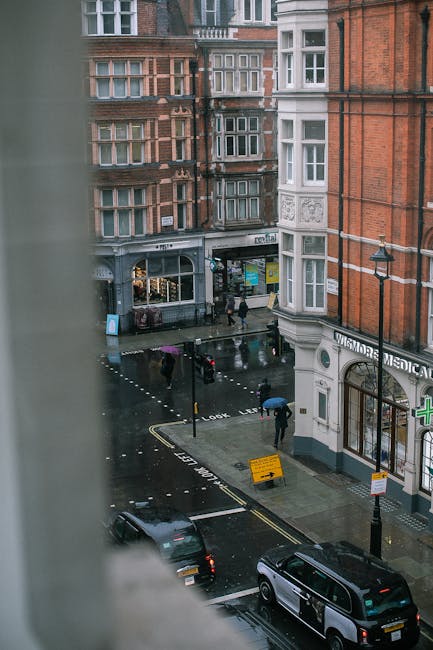
Common Mistakes to Avoid
The biggest mistake is assuming the street access will "sort itself out on the day". In W1, that is a gamble. Sometimes it works. Often it does not.
Another frequent issue is measuring only the furniture and not the route. A chest of drawers can fit through a front door but fail on the landing because of a tight turn. A sofa can clear the hallway and then get stuck at the stairwell. Annoying? Very. Preventable? Usually, yes.
Other mistakes include:
- not checking lift dimensions: lifts can be smaller than expected, and sometimes the door opening is the real limitation;
- forgetting about parking and stopping points: a van parked two streets away changes the job entirely;
- leaving dismantling too late: removing bolts and legs at the last minute slows everything down;
- underestimating labour needs: awkward access often requires more hands, not more optimism;
- skipping floor and wall protection: a tiny scrape is enough to sour the mood;
- ignoring bulky waste planning: if something is not coming with you, it still needs a proper exit.
If you are clearing out furniture during the move, it is worth reading how to avoid bulky waste fines when moving in Marylebone. It is the unglamorous side of moving, yes, but it can save a headache later.
Tools, Resources and Recommendations
You do not need a truckload of specialist kit, but the right basics make narrow-street moves far smoother.
| Tool or resource | What it helps with | When to use it |
|---|---|---|
| Measuring tape | Doorways, stairs, furniture dimensions, lift widths | Before booking and again before move day |
| Furniture blankets and covers | Protection against scuffs and small impacts | For all narrow hallways and tight entries |
| Corner guards | Walls, banisters, and awkward turns | When the property has sharp corners or narrow landings |
| Labelled fixings bags | Keeping dismantled parts together | When taking beds, tables, wardrobes apart |
| Floor runners | Protecting flooring in shared access routes | Useful in flats, period homes, and communal entrances |
| Detailed access photos | Remote planning and estimating | Before the mover arrives |
| Temporary storage | Staging the move across multiple steps | If access or timings are not lining up cleanly |
For many people, the best recommendation is not a tool at all but the right service shape. Compare the difference between a general mover and a more tailored approach. Pages such as man and van Marylebone, man with van Marylebone, and furniture removals Marylebone can help you think about the level of support needed. Sometimes the simplest option is enough. Sometimes it really is not.
Law, Compliance, Standards, or Best Practice
For moving furniture in narrow streets, you do not usually need to get lost in heavy legal detail, but best practice still matters. In the UK, movers and property occupants should act carefully around access, safety, obstruction, and public space use. That means avoiding unnecessary blocking of pavements, keeping an eye on neighbouring properties, and handling items in a way that does not create avoidable hazards.
If a move involves the road or a shared access area, there may be local parking or loading considerations. The exact rules depend on the location and the council arrangements in force, so it is sensible to check requirements early rather than assume loading will be fine outside your building. The same goes for lifts, communal corridors, and fire exits. Those areas are not optional extras. They are safety-critical.
Best practice usually includes:
- clear pre-move communication about access and timing;
- safe manual handling and sensible load sharing;
- protection of walls, floors, and communal areas;
- careful parking and loading to minimise disruption;
- insurance awareness for higher-value or fragile items.
If you want reassurance about how a professional operator approaches this, the company's own policies can be part of your review. For example, it is worth checking the pages on health and safety policy, insurance and safety, and terms and conditions before booking. That is just sensible, really.
Options, Methods, or Comparison Table
Choosing the right access method depends on the property, the item, and the level of disruption you can tolerate. Here is a straightforward comparison.
| Method | Best for | Pros | Watch out for |
|---|---|---|---|
| Small van close-up loading | Very narrow streets and limited parking | Easier access, less walking distance | May need more trips if volume is high |
| Larger removal van with carry team | Bulkier furniture and more items | Efficient loading, fewer journeys | Parking and turning space must be workable |
| Furniture dismantling | Oversized items and awkward staircases | Improves fit through tight routes | Needs time, tools, and careful reassembly |
| Temporary storage | Staged or delayed move-ins | Reduces pressure on access and timing | Extra handling and potential extra cost |
| Specialist removals | Pianos, antiques, fragile or premium items | Better protection and handling skill | Needs stronger planning and possibly more budget |
There is no universal winner here. A one-bed flat move off a quiet side street might be perfect for a compact vehicle and a careful two-person team. A full household move with larger furniture may be better served by a more structured service such as house removals Marylebone or removal services Marylebone. The right answer is the one that matches the route, not the brochure.
Case Study or Real-World Example
Let's take a realistic example. A couple in W1 is moving from a second-floor flat into a nearby period property. Their sofa is large, the staircase in the old flat is steep, and the new property has a narrow entrance hall with a sharp turn at the foot of the stairs. On paper, it looks straightforward. In practice, it is the kind of move that can go wrong in five different ways if nobody prepares.
They start by measuring the sofa, the hallway, the stairwell width, and the lift opening in the new building. They also take pictures of both entrances and note that parking on the street is much easier before 8 a.m. That one detail changes the whole day. The sofa is dismantled at the base where possible, protective covers are used, and the route is cleared before lifting begins. The move takes longer than a free-flowing suburban load, but it stays controlled. No dents. No last-minute improvising. No dramatic "we may need to pivot" moment from the front step, which is always a relief.
What made it work? Not brute force. Planning. A thoughtful plan plus the right support from a team used to furniture removals in constrained spaces can make an awkward move feel surprisingly ordinary. That is the goal, really. Ordinary is good on moving day.
And if you are comparing service types before your move, it is worth understanding the difference between man and a van Marylebone and removals Marylebone. The right fit depends on how much lifting, dismantling, and coordination your access conditions demand.
Practical Checklist
Use this checklist a few days before moving day. It is simple, but it catches most of the avoidable issues.
- Measure every item that might pass through a tight space.
- Measure doorways, stairs, lifts, and turning points.
- Take photos of the route from vehicle to property.
- Confirm where the van can legally and safely stop.
- Decide which furniture needs dismantling.
- Label screws, fittings, and small parts clearly.
- Confirm whether the lift is available and large enough.
- Protect flooring, walls, banisters, and corners.
- Plan for any fragile, valuable, or heavy pieces separately.
- Prepare a fallback plan if access is blocked or delayed.
- Set aside documents, keys, and essentials so they do not get buried in the shuffle.
- If using storage, schedule the handover and redelivery timing in advance.
Quick takeaway: if something feels cramped in your head before the move, it will probably feel cramped in real life too. Plan for the worst feasible access, and the day usually becomes much easier.
Conclusion
Narrow-street moves in W1 are not really about wrestling furniture through impossible gaps. They are about making smart choices before anyone starts lifting. Measure properly, understand the route, match the vehicle and crew to the access conditions, and give yourself room to adapt if the building or street throws a curveball. That is the difference between a rushed, risky move and one that feels steady from start to finish.
If you are moving in Marylebone or another tight W1 location, the best results usually come from careful planning, realistic expectations, and a mover who understands the local access challenges. Nothing fancy. Just sensible, experienced handling, which is exactly what you want when your wardrobe is blocking the hallway and everybody is trying not to scratch the paint.
Get a free quote today and see how much you can save.
And if you do the planning well, moving day can be less of a drama than you feared. Sometimes even calm. Which, in London, feels like a small victory.