Marylebone Station Moves: Best times and lift access
Posted on 06/05/2026
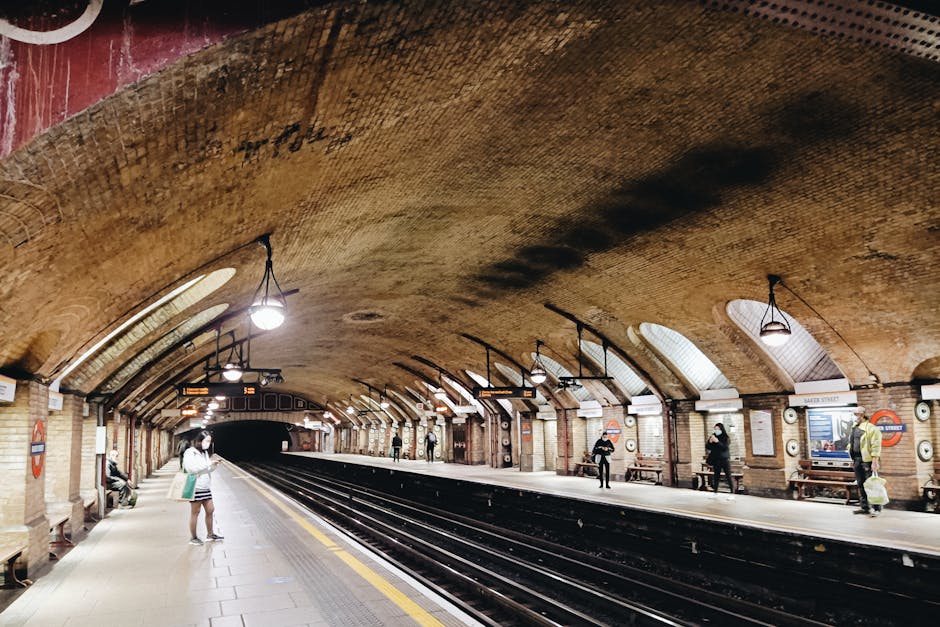
Moving near Marylebone Station sounds simple on paper. In real life, it usually means tight streets, busy pedestrian flow, awkward lift timings, and that small but important question: when is the best time to move without making the day harder than it needs to be?
This guide on Marylebone Station Moves: Best times and lift access is built for exactly that. Whether you are moving into a flat above Baker Street, shifting office items close to the station, or trying to get a sofa upstairs without a comedy of errors, the timing and lift strategy matters more than people expect. A few smart decisions can save a lot of waiting, walking, and last-minute stress. Truth be told, the difference between a smooth move and a miserable one is often just timing.
We will cover the best moving windows, how lift access usually works, what to check before moving day, and how to avoid the common traps that catch people out. You will also find a step-by-step plan, a comparison table, a real-world example, and a practical checklist you can actually use.
Why Marylebone Station Moves: Best times and lift access Matters
Marylebone is one of those London areas where the map can look neat, but the reality on the ground is a bit more complicated. Close to the station, you have a mix of busy roads, restricted stopping spaces, apartment buildings, and a steady stream of commuters. If you are moving on a random weekday morning, you are not just moving boxes. You are also negotiating foot traffic, vehicle access, possible building restrictions, and the hidden timing issue of lift availability.
The phrase Marylebone Station Moves: Best times and lift access matters because the station area works on its own rhythm. Certain hours are simply better for removals than others. Lift access can also be the deciding factor in how quickly a team can load or unload. If the lift is shared, booked, small, or subject to building rules, your moving plan changes quite a bit.
For anyone relocating a flat, managing a same-day move, or moving heavier items like wardrobes, white goods, or a piano, the timing becomes practical rather than optional. One delay at the lift can ripple through the whole day. And if you have ever stood in a hallway waiting for an elevator while the van is double-parked outside, you will know exactly what I mean.
Marylebone is also a local area where residents often want the move done discreetly and efficiently. That is one reason many people look into a specialist removals Marylebone service rather than trying to improvise it themselves. The combination of access, timing, and careful handling is what makes the difference.
How Marylebone Station Moves: Best times and lift access Works
At its simplest, the process is about matching three things: the street conditions, the building access rules, and the load type. If those three line up, the move usually feels calmer. If they clash, even a small job can drag on.
In practical terms, a move near Marylebone Station usually works best when you do the following:
- Choose a time that avoids the heaviest commuter flow.
- Confirm whether the building lift can be booked or reserved.
- Check if the lift is large enough for bulky items.
- Find out whether the lift needs padding or protection.
- Confirm where the vehicle can stop safely and legally.
That sounds straightforward, and in fairness it often is. The detail is in the timing. Early mornings can work well for some buildings, especially if you need to clear the route before the day gets busy. Mid-morning can be better for quieter access in certain streets, while late afternoon may be awkward because of return traffic and tighter parking. A move that starts at 8:00 may feel very different from one that starts at 10:30.
Lift access has its own logic too. Some buildings require you to book the lift in advance, especially in blocks with concierge teams or shared management. Others have service lifts separate from passenger lifts. And sometimes, the lift is available but not really practical for large furniture because of its size or weight limits. That is the bit people miss.
If you are moving from a flat, it can help to read a dedicated flat removals Marylebone guide alongside your plan. Flat moves are where lift access becomes most important, because stairs are rarely the preferred backup once the boxes start piling up.
And if your move involves a lot of awkward items, the service you choose matters as much as the timing. A well-organised man and van Marylebone setup can be ideal for smaller jobs, while larger households often need a more structured approach.
Key Benefits and Practical Advantages
Getting the timing and lift access right is not just about convenience. It can change the whole feel of moving day.
- Less waiting around: Good timing reduces wasted minutes in hallways, on pavements, and outside the building.
- Lower handling risk: Fewer lift bottlenecks mean fewer rushed lifts, turns, and near-misses with furniture.
- Better neighbour relations: A quicker, quieter move is simply less disruptive. People do notice.
- More predictable costs: If your mover is working by the hour, delays can affect the final bill.
- Less stress: You are not trying to solve the day's logistics while carrying a mattress down a narrow corridor.
Another advantage is mental clarity. When the move is planned around actual access conditions, you make better decisions about packing, team size, and vehicle choice. That helps whether you are using a specialist team or booking a simpler man with van Marylebone option for a lighter load.
There is also a hidden benefit for buildings with strict rules. If you arrive organised, with lift bookings confirmed and timings already set, reception or concierge staff are much more likely to be helpful. Nobody likes a chaotic arrival at 7:45 in the morning with no paperwork. Well, almost nobody.
For some customers, the real advantage is speed. For others, it is avoiding damage. For others again, it is just not having the day take over their life. That is fair enough.
Who This Is For and When It Makes Sense
This topic is especially relevant if you are in any of the following situations:
- Moving into or out of a flat near Marylebone Station.
- Booking a move in a building with lift restrictions or concierge control.
- Handling bulky furniture, fragile items, or higher-value possessions.
- Trying to reduce disruption during a weekday move.
- Moving on a tight schedule, such as a completion day or tenancy handover.
- Coordinating an office move close to the station or surrounding streets.
Students moving into London flats can also benefit from planning around lift access, especially when the building is shared and the lift is already in use. A focused student removals Marylebone service can be a good fit when the move is small, but timing still matters just as much as the van size.
Families moving larger homes, by contrast, may need a more structured service such as house removals Marylebone, particularly if there are multiple floors, children to coordinate, or a lot of furniture going through shared access areas.
Office and business moves near the station have another layer of concern: staying out of the way of staff, clients, and the normal working day. In those cases, a dedicated office removals Marylebone plan can save a lot of disruption. Nobody wants a filing cabinet blocking a lobby while the first meeting of the day starts three metres away.
If you are not sure whether Marylebone is the right area for you at all, a useful starting point is this guide on whether Marylebone is a good fit for you. It gives useful context beyond the moving day itself.
Step-by-Step Guidance
Here is the practical version. This is the part to bookmark if your move is coming up soon.
- Check your building rules first. Ask about lift booking, service lift access, floor protection, and any time restrictions.
- Map the street access. Marylebone Station area streets can be busy, so check where the removal vehicle can stop and how far the walk is from the entrance.
- Pick a sensible time window. Avoid commuter peaks where possible. Early morning or late morning is often more workable than a chaotic rush-hour arrival.
- Measure the awkward items. Wardrobes, sofas, beds, mirrors, and fridges are the usual troublemakers. Measure them properly. Guessing is a bit optimistic.
- Confirm the lift dimensions. Note the door width, internal depth, weight limits, and whether the lift has any awkward corners.
- Protect the route. Use covers, blankets, floor protection, and corner guards if the building expects them or if items are likely to scrape.
- Pack in a loading order. Put the things you will need first near the exit, and keep the heavier items grouped sensibly.
- Allow for delays. A lift shared by residents, or a van that cannot stop directly outside, can add time. Build that into the plan.
- Brief everyone involved. If friends, family, or building staff are helping, make sure they know the sequence before the day starts.
A small but useful detail: keep a separate bag with keys, chargers, documents, water, and any immediate essentials. It sounds obvious until you are looking for it in the middle of a half-empty hallway. Then it is very not obvious.
If your move is urgent, a same-day option can sometimes work, but only if access and lift timing are realistic. Have a look at same day removals Marylebone if your schedule has already become one of those unfortunate "we need to be out by lunchtime" situations.
Expert Tips for Better Results
There are a few habits that consistently make Marylebone moves easier. They are not glamorous. They just work.
- Speak to the building manager early. Don't leave lift access to the morning of the move. It is a classic mistake.
- Plan around the first load. Get the largest or most awkward items out while everyone is fresh and the lift is available.
- Keep one person assigned to access. Somebody should be checking the lift, entrance, and vehicle positioning while others load.
- Use the right vehicle size. Too small means extra trips; too large can be awkward around tight streets. A balanced removal van Marylebone choice is often the sweet spot.
- Label boxes by room and priority. It speeds up unloading and helps if the lift is only available in short windows.
- Protect fragile items twice. Marylebone's tight corridors and lift corners can be unforgiving, so don't skimp on wrapping.
One thing many people overlook is the value of consolidation. If you are only moving a partial load, a well-timed journey can be better than trying to shoehorn everything into a tiny window. That is where a flexible man and a van Marylebone arrangement can be useful.
And if you are moving anything fragile or valuable, read up on the company's insurance and safety approach. It is one of those pages people often skip until something goes wrong. Better to check earlier, quietly, with a cup of tea in hand.
For some situations, especially when you are comparing movers, it is worth looking at a full removal services Marylebone overview so you can judge what level of support you actually need.

Common Mistakes to Avoid
Most moving problems near Marylebone Station come from one of a handful of avoidable errors.
- Assuming lift access will be fine. Sometimes it is. Sometimes it is not. Always check.
- Booking during the busiest hours. Rush-hour streets and lifts are a poor mix.
- Ignoring building notice periods. Some blocks need advance booking for lifts or moving slots.
- Forgetting to measure large furniture. A sofa that fits the van may still not fit the lift.
- Underestimating loading time. A lift that is shared, slow, or small can turn a quick job into a longer day.
- Not preparing the parking plan. If the van cannot stop close enough, the whole move becomes a carrying exercise.
Another very common one: people pack everything beautifully and then forget the access route is the actual bottleneck. Not the boxes. Not the tape. The route.
For flat residents, a little planning around access can prevent damage and neighbour complaints. If you are comparing service types, it may help to read more about removal companies in Marylebone so you understand how different providers handle access issues.
And yes, it is tempting to think, "We'll just see on the day." That approach is brave, but not especially efficient.
Tools, Resources and Recommendations
You do not need complicated software to plan a move well. You need the right checks and a few simple tools.
- Measuring tape: For furniture, doors, lift interiors, and hallways.
- Phone notes: For lift booking details, concierge contact numbers, and move times.
- Floor plan or room list: Helps prioritise unloading and box placement.
- Labels and marker pens: Simple, but effective.
- Protective wraps and blankets: Especially useful for furniture corners and lift edges.
There are also some website resources worth browsing if you are planning a broader move or trying to understand the area better. For practical moving support, the services overview is a good place to start. If you are pricing up the job, the pricing and quotes page helps you understand how to approach budgeting without overcomplicating it.
If you are in between properties, storage in Marylebone can be useful when the timing between move-out and move-in does not line up neatly. That happens more often than people admit.
And if you need packing support, especially for glassware, books, or loose household items, the packing and boxes Marylebone page is a sensible next stop. Good packing makes lift loading faster. Much faster.
Law, Compliance, Standards, or Best Practice
Moving work in London should always be handled with sensible care around safety, access, and responsibility. While the exact rules vary by building and location, the general best practice is clear: protect people, protect property, and follow the building's access requirements.
That means a few practical things:
- Follow any lift booking or moving-slot rules set by the building.
- Do not block fire exits, stairwells, or shared access routes.
- Use safe lifting methods for heavy items and request help when needed.
- Check whether the mover carries suitable insurance for goods in transit.
- Respect noise levels and neighbour access where possible.
For companies, good practice also includes clear internal policies, and that can be a useful trust signal for customers. You can review the company's health and safety policy, accessibility statement, and recycling and sustainability approach if you want to understand how a provider thinks about responsible service delivery.
Payment clarity matters too. If you are comparing providers, the payment and security page and the terms and conditions page are worth reading before you commit. Small print is never the exciting bit, but it can save headaches later. Sadly, paperwork does still exist.
If something goes wrong, a clear complaints procedure is another good sign. It shows the business has thought beyond the sale.
Options, Methods, or Comparison Table
Different moves near Marylebone Station call for different methods. Here is a simple comparison to help you choose.
| Method | Best for | Main advantage | Possible drawback |
|---|---|---|---|
| Early morning move | Buildings with quiet access, urgent handovers | Often less street congestion | May require early coordination and lift booking |
| Mid-morning move | Standard flat moves, easier planning | Balanced timing and fewer commuter spikes | Can still be affected by local traffic and building use |
| Small van / man and van | Smaller flats, lighter loads, short-distance moves | Flexible and often simpler to park | May require more trips for larger loads |
| Full removals team | Family homes, larger flats, bulky furniture | More hands, better coordination, faster loading | Needs more advance planning |
| Storage-first approach | Delayed completion, staggered move-in dates | Reduces time pressure on the moving day | Requires extra handling and planning |
In practice, the right choice depends on your property type, load size, and lift situation. A smaller load in a building with a reliable lift may suit a lighter service, while a big family relocation often works better with a fuller team. If you are moving a delicate instrument, for example, a specialist service such as piano removals Marylebone is the safer route.
Case Study or Real-World Example
Imagine a couple moving from a second-floor flat near Marylebone Station into a nearby apartment. They have a sofa, a bed frame, several boxes of books, and a dining table. The building has a lift, but it needs to be booked in advance and is also shared with residents.
They choose a late morning slot rather than the earliest commuter-heavy window. The lift is reserved for a two-hour block. Furniture is measured the day before, and the sofa is wrapped properly. The removal van is positioned as close as the street allows, with one person keeping an eye on access while the rest of the team loads.
The move still takes effort, of course. These things always do. But the day stays orderly because the major friction points were dealt with in advance. No waiting for lift availability. No frantic reshuffling on the pavement. No awkward "will this even fit?" moment at the doorway.
That is the key lesson: around Marylebone Station, the move is often won before the first box leaves the flat. If you want a more street-specific planning angle, the Baker Street moving guide offers useful local context on access and street conditions.
For people buying or selling in the area, local timing can also tie into property decisions. If your move is part of a sale, this Marylebone property sales guide can help frame the wider journey. And if you are investing or settling in long-term, you may also find the guide to investing in Marylebone property useful.
Practical Checklist
Use this as a final moving-day sanity check.
- Confirm your moving date and time with the building.
- Check lift booking rules and reserve the lift if needed.
- Measure furniture, doors, corridors, and lift dimensions.
- Confirm vehicle access and parking or stopping arrangements.
- Pack essentials separately for easy access.
- Label boxes by room and priority.
- Protect floors, lift interiors, and fragile furniture where required.
- Keep contact numbers for the building and mover handy.
- Review insurance, safety, and payment terms before the day.
- Build in a little extra time. Just a bit. It helps more than you'd think.
If you are still gathering quotes, taking a look at about us can also help you judge the service style and whether the team feels like a good fit for your move.
Conclusion
Marylebone Station moves are rarely difficult because of one single problem. They become difficult when timing, lift access, parking, and load handling are not lined up properly. The good news is that a careful plan solves most of it. Choose the right window, check the lift early, measure the awkward items, and give yourself a bit of breathing room.
That is really the heart of Marylebone Station Moves: Best times and lift access. Not perfection. Just a well-ordered day, with fewer surprises and a lot less dragging boxes around in circles.
If you are planning a move in the area, the next sensible step is to compare your service options and confirm access details before moving day arrives. A little preparation now can make the whole experience feel lighter, calmer, and far more manageable.
Get a free quote today and see how much you can save.
And if all you take from this is one thing, let it be this: the best move is usually the one that feels boringly organised. Boring is beautiful on moving day.