Avoid bulky waste fines when moving in Marylebone
Posted on 22/05/2026
Avoid Bulky Waste Fines When Moving in Marylebone: A Practical Local Guide
Moving house in Marylebone can feel oddly glamorous and deeply chaotic at the same time. One minute you are thinking about keys, boxes, and where the kettle has ended up; the next, you are staring at an old mattress, a broken shelf, and a pile of packaging that suddenly has to go somewhere. That is where many people get caught out. If you want to avoid bulky waste fines when moving in Marylebone, you need a plan before the last box is taped shut.
The good news? It is manageable. With a bit of timing, a sensible sort-through, and the right removal support, you can clear unwanted items without leaving anything on the pavement or assuming it will "sort itself out". In a busy area like Marylebone, that assumption can become an expensive mistake, and fast.
This guide breaks down what bulky waste means in real life, how fines tend to happen, and the most practical ways to dispose of move-day waste properly. It also covers local moving choices, compliance basics, a comparison of disposal methods, and a realistic checklist you can follow without overthinking every bag and box.
Expert summary: The safest way to avoid bulky waste trouble during a move is simple: separate reusable, recyclable, and disposal items early; book the right service in advance; and never leave large items outside unless you are certain they are being collected or permitted. Sounds basic. It is basic. But basic is what saves people money.
Why Avoid Bulky Waste Fines in Marylebone Matters
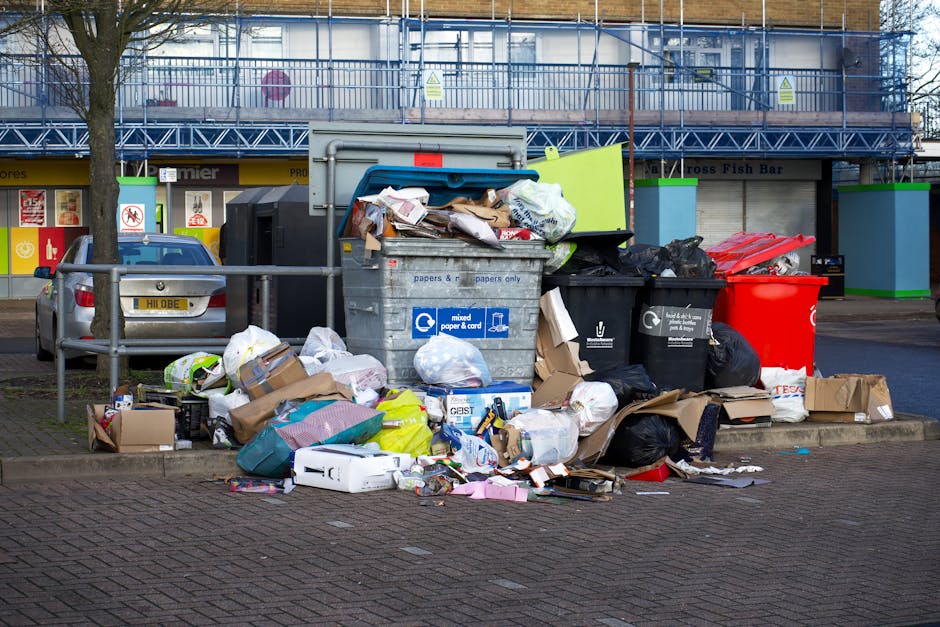
Bulky waste fines are not just an unpleasant admin issue. They can turn a moving day into a scramble, especially in a place like Marylebone where streets are busy, access can be tight, and neighbours notice what is left outside. A single abandoned sofa, mattress, or stack of broken furniture can create a complaint, and once that happens, the problem may move from your hallway to your inbox.
There is also a reputation side to it. Whether you are leaving a rented flat, selling a property, or moving into a new one, you want the handover to be clean and calm. A tidy exit matters. It helps with landlords, building managers, and, frankly, your own peace of mind. If you are in a flat move, this often links directly with flat removals in Marylebone, where stairwells, concierge rules, and time slots can make waste handling more sensitive than people expect.
There is another issue too: illegal dumping is not only about large household items. Cardboard, packing foam, broken hangers, old blinds, and flat-pack wood can all become a nuisance if they are dumped carelessly. Moving produces a surprising amount of mess. Funny how a few boxes become a mountain by lunchtime.
For people relocating locally, the benefit of getting waste right is simple: fewer delays, fewer complaints, less stress, and less chance of paying to fix something that should have been planned for in the first place.
How Bulky Waste Disposal Works During a Move
Let us keep this practical. Bulky waste usually means large household items that are awkward to place in normal bins. Think furniture, mattresses, white goods, shelving, and other oversized things that cannot just be tucked away with everyday rubbish. Moving day tends to surface these items all at once, because you finally see what you do not want to take with you.
The process usually works best in three stages:
- Sort what is staying, what is going, and what can be reused. This stops you throwing away things you still need.
- Choose the right disposal route. That might mean reuse, recycling, a specialist collection, or removal as part of your moving service.
- Keep waste off communal pavements and shared areas unless the collection has been arranged properly. This is the bit that saves people from trouble.
In Marylebone, that last part matters more than people think. Shared entrances, narrow frontages, and busy streets mean that even a short period of leaving a sofa outside can become an issue. If you are working with a man with van in Marylebone or broader removal services in Marylebone, ask early whether waste removal or disposal guidance is included. Do not wait until the final hour. That is where the mistakes happen.
It also helps to understand the difference between removal and disposal. A moving team can transport your belongings, but that does not automatically mean every unwanted item can be left with them unless it has been agreed in advance. A tidy move is planned move, not a hopeful one.
Key Benefits and Practical Advantages
Staying on top of bulky waste during a move is about more than avoiding fines. It improves the whole experience, especially in a dense neighbourhood where access and timing already matter.
- Less risk of complaints: No one wants a neighbour reporting a mattress on the pavement before breakfast.
- Smoother removals: When disposal is sorted, the movers can focus on loading and transit instead of waiting around for last-minute decisions.
- Better packing discipline: A pre-move sort makes it easier to reduce clutter and pack only what you need.
- Lower stress on move day: You are not making disposal decisions while balancing keys, paperwork, and a half-dismantled bed frame.
- Improved sustainability: Reuse and recycling often reduce the amount that needs to be treated as waste. That is just common sense, really.
There is also a financial angle. Disposal done badly can become costly through penalties, rushed last-minute services, or wasted removal capacity. Disposal done well is usually quieter, cleaner, and cheaper in the long run.
If you are comparing moving options, pages like removal companies in Marylebone and man and van services in Marylebone can help you weigh up the level of help you need, especially if there are a few awkward items that need special handling.
Who This Is For and When It Makes Sense
This matters for anyone moving out of a flat, house, studio, office, or student property in Marylebone. But some people need it more urgently than others.
Most likely to need a clear bulky waste plan
- Tenants clearing out a rental before checkout
- Homeowners replacing old furniture during a sale move
- Students leaving shared accommodation with mixed belongings
- Small offices removing desks, chairs, or filing units
- Anyone with heavy or awkward items that are hard to lift, store, or rehome
If you are moving from a compact property, the pressure is usually higher because clutter builds up faster and storage space is limited. That is where storage in Marylebone can sometimes be a useful bridge if you are not ready to dispose of everything immediately. Truth be told, many people are undecided about old furniture until the last minute, and that is fine. Just do not let indecision turn into illegal dumping.
It also makes sense for anyone on a tight schedule. If you are leaving quickly, perhaps between tenancies or ahead of a sale completion, waste planning becomes part of the move itself. It is not a separate task you can hope to "fit in later".
For people who want to understand broader moving options, services overview and house removals in Marylebone are useful starting points. They help you see how disposal, packing, transport, and timing may fit together.
Step-by-Step Guidance
Here is the cleanest way to handle move-related bulky waste without panic.
1. Start with a room-by-room sort
Walk through each room and make three simple piles: keep, donate/reuse, and dispose. Be honest. The broken lamp you have meant to fix for eighteen months probably does not need another chance.
2. Identify bulky items early
Note anything that is awkward, heavy, or large enough to block a hallway or lift. Common examples include wardrobes, mattresses, sofas, exercise equipment, and broken storage units. Once you know what these are, you can plan removal properly.
3. Check what your movers can take
Do not assume. Ask directly. Some teams can help with selected unwanted items, while others focus strictly on moving goods. If you are arranging furniture removals in Marylebone, ask whether dismantling, loading, or handling of unwanted furniture can be included.
4. Book disposal before move day
If you need a collection service, arrange it before the van arrives. That gives you flexibility if access is delayed or weather turns ugly. A damp cardboard nightmare is nobody's favourite part of a Tuesday.
5. Separate recyclable packaging from actual waste
Cardboard, paper, clean plastic wrap, and some packaging materials may be recyclable depending on how they are handled. Keep them apart from contaminated waste. If they are mixed with food residue or household rubbish, the whole pile becomes harder to manage.
6. Keep shared areas clear
Do not stage bulky items in front of bin stores, lifts, entrances, or pavement edges unless the plan specifically allows it. In Marylebone's tighter streets and shared buildings, this one step makes a huge difference.
7. Get final confirmation before handover
Before you leave, do one last sweep. Cupboards, balconies, utility corners, under beds, behind doors. That half-hidden chair or folded shelf is often the thing that comes back to haunt you later.
Expert Tips for Better Results
Over time, a few patterns become obvious. The moves that go smoothly are almost always the ones where waste was treated as part of the plan, not an afterthought.
- Use labels, not memory. Mark boxes and items clearly so you do not accidentally dispose of something you need for the first night.
- Measure large furniture before deciding. A wardrobe that will not fit through the door is not just an awkward item; it is a disposal or dismantling decision.
- Keep a "last load" corner. Put everything for disposal in one place so nobody confuses it with what is staying.
- Take photos of items you plan to pass on. This helps if you are offering them to friends, a resale route, or a reuse programme.
- Use the move to simplify. Moving is a rare chance to reduce the sheer amount of stuff you carry forward. You do not need to move every random cable from 2017.
One small but useful trick: separate waste decisions by urgency. What must go before the move? What can wait a week? What could be sold or donated? That simple split stops the day becoming a last-minute guessing game.
If your building has rules about lifts, corridors, or loading times, fold those into your schedule early. That is especially helpful for more complex jobs like office removals in Marylebone or larger residential moves where waste can pile up quickly.
Common Mistakes to Avoid
Most bulky waste fines happen because of avoidable habits, not dramatic events. Usually it is a mix of rushing, guessing, and assuming someone else will deal with it.
- Leaving items outside "just for a bit". Even a short period can attract complaints if the item blocks access or looks dumped.
- Mixing recyclable and non-recyclable materials. Once things are tangled together, disposal gets harder and more expensive.
- Booking removal too late. Last-minute arrangements often lead to limited choices and poor timing.
- Forgetting about hidden waste. Old drawers, broken fixtures, and flat-pack offcuts often get missed until the final sweep.
- Assuming movers will remove everything automatically. Waste handling should be confirmed, not assumed.
- Ignoring building or landlord instructions. In Marylebone, communal buildings can have strict expectations about access, lift use, and waste staging.
And yes, the classic mistake is this: someone thinks, "I'll sort the sofa tomorrow." Tomorrow comes, the sofa is still there, and now everyone is annoyed. Not ideal.
Tools, Resources and Recommendations
You do not need a complicated system, just a few practical tools to keep the move under control.
- Heavy-duty marker pens: for labelling keep, donate, dispose, and fragile.
- Strong tape and bags: so waste is contained properly and does not spread across the hallway.
- Basic dismantling tools: a screwdriver set, Allen keys, and a small hammer can make bulky items easier to manage.
- Measuring tape: useful for checking whether a piece of furniture can be moved, dismantled, or should be removed another way.
- Protective gloves: especially for broken timber, splinters, or old fittings.
For readers who want a more organised moving experience, packing and boxes in Marylebone can be a sensible companion service, because good packing usually reduces waste confusion later. If you have a move date coming up quickly, same day removals in Marylebone may also be worth considering, provided you have already sorted the items that need to go.
There is also a broader sustainability angle. If you can reuse, donate, or recycle part of what you are clearing, that is often the most efficient route. The page on recycling and sustainability is useful if you want to think more carefully about what happens to items after a move. Small decisions matter more than people expect.
Law, Compliance, Standards and Best Practice
This is the part people sometimes skip, then regret. You do not need to become a legal expert, but you do need to follow common-sense standards around waste ownership, safe disposal, and property rules.
In general UK practice, householders and occupiers remain responsible for waste they produce until it is handed over through a proper route. That means you should be careful about what is left in communal spaces, on streets, or beside bin stores. If an item is abandoned and linked back to your move, you may be the one dealing with the consequences. That is the basic risk, and it is avoidable.
Best practice usually means:
- confirming in advance who is responsible for disposal
- keeping waste out of public and shared areas unless arranged
- using licensed or properly managed disposal routes where needed
- following building, landlord, or managing agent instructions
- keeping movement pathways safe and clear for residents and staff
If you are working with a removal provider, it is also sensible to check their general standards around safety and service. The pages on insurance and safety and health and safety policy can help set expectations about how careful, orderly moving support should look. That matters when you are handling bulky items in shared buildings with tight corridors or stairs.
For more formal moving conditions, it is also worth understanding the terms and conditions before you book anything. Not glamorous, I know. But a five-minute read can spare you a lot of confusion later.
Options, Methods and Comparison Table
Different waste routes suit different situations. Here is a simple comparison to help you choose the least painful option.
| Method | Best for | Pros | Watch out for |
|---|---|---|---|
| Reuse or donate | Usable furniture, appliances, and household items | Lowest waste, often fastest if someone wants the item | Needs coordination and item condition must be decent |
| Sell privately | Items with resale value | Can recover some money | May take time; not ideal for urgent moves |
| Specialist collection | Large or awkward bulky waste | Convenient and targeted | Needs booking and clear confirmation of what is accepted |
| Included removal service | Moves where disposal is part of the plan | Efficient and simple on moving day | Must be agreed in advance |
| Storage first, decide later | Items you may keep but cannot place yet | Buys time for better decisions | Not a waste solution; can be an extra cost |
If your move includes a lot of large furniture, a structured service may be easier than trying to manage everything separately. For example, man and van services in Marylebone can work well for lighter moves, while more complex cases may suit removals in Marylebone with a fuller support plan.
Case Study or Real-World Example
Imagine a couple moving out of a second-floor flat near central Marylebone. They have a sofa that will not fit through the staircase, a mattress, three dismantled shelves, and several boxes of packaging from the new place. They are also trying to hand back the keys by late afternoon.
At first, they think they will leave the sofa outside for "just the morning" and deal with the rest later. Then they remember the building is shared, the pavement is narrow, and there is already a list of rules from the managing agent. So they stop and re-plan.
What works instead? They separate the items early, check what can be dismantled, arrange a proper collection for the bulky pieces, and keep all packaging in one bagged pile for recycling. The movers take the furniture route first, the hallway stays clear, and nothing is abandoned outside the building. Slightly more effort upfront, but much less drama.
That sort of move is exactly why local knowledge matters. Streets around the area can be busy, access can be awkward, and timing is everything. If you want a better sense of local streets and vehicle access, the Baker Street moving guide is a helpful read.
Practical Checklist
Use this checklist in the week before moving day, and again on the morning of the move.
- Walk through every room and identify bulky items
- Sort items into keep, donate, recycle, and dispose
- Confirm what your removal team can and cannot take
- Book any separate waste collection in advance
- Keep shared entrances, lifts, and pavements clear
- Label packaging and disposal items clearly
- Dismantle large furniture where it is safe to do so
- Set aside tools, gloves, tape, and marker pens
- Take a final sweep of cupboards, loft spaces, and under furniture
- Check the property one last time before keys are handed over
Quick reminder: If you are unsure whether something counts as bulky waste, treat it as something that needs a plan. That small pause can save you a much bigger headache.
If you want help choosing the right moving support, the pages on man with a van Marylebone and pricing and quotes are a sensible next step for comparing options before you commit.
Conclusion
To avoid bulky waste fines when moving in Marylebone, treat waste like part of the move, not the leftovers from it. Sort early, book the right help, keep communal areas clear, and confirm responsibilities before moving day arrives. That is the whole trick, really.
Done well, waste handling becomes one of the quiet wins of a smooth move. No complaints, no last-minute panic, no awkward pile of furniture outside the building while you are trying to find your charger. Just a calmer handover and a cleaner start.
If you are planning a move and want it handled in a more organised, less stressful way, it is worth exploring the right local service before the boxes start multiplying.
Get a free quote today and see how much you can save.
And if you are still in that in-between stage where one foot is in the old place and one is already at the new address, that is okay. Take it one decision at a time. It usually comes together.